

Table of Contents
Some links on posts are affiliate links and will earn us a commission from qualifying purchases
You can stop leg muscle cramps while walking by using easy, practical steps you can start today. Stretching your calves, keeping well hydrated, and topping up key minerals like potassium and magnesium cut the risk of sudden muscle spasms and let you walk with more comfort and confidence. Use a short warm-up, steady pace, and regular stretching to prevent most leg cramps while walking.
If you feel a cramp coming on, stop, gently stretch the tight muscle and walk slowly once it eases to keep it from returning. Adjust shoes, check your walking posture, and change your intensity or terrain if cramps happen often; these small lifestyle changes often make a big difference.
Key Takeaways
- Warm up, hydrate and check your mineral intake to lower cramp risk.
- Stretch and slow down immediately when a muscle spasm starts.
- Adjust footwear and walking habits if leg cramps recur.
Understanding Muscle Cramps in the Legs
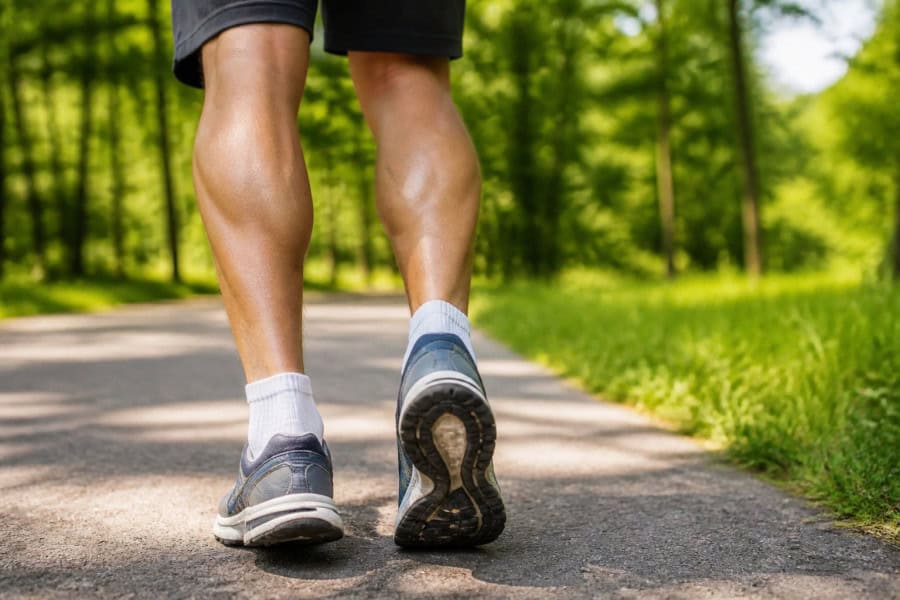
You will learn what causes sudden leg contractions, where they usually happen, and how they can change your walking. The next parts explain clear signs to watch for and practical effects on your stride.
What Are Muscle Cramps?
A muscle cramp is a sudden, involuntary contraction of one or more muscle fibres. It happens when the muscle tightens and cannot relax right away. A “charley horse” is a common name for a cramp in the calf or thigh; it often strikes while you rest or during activity.
Common triggers include muscle fatigue, dehydration, low electrolytes (such as potassium or magnesium), and overuse from long walks or fast changes in pace. Certain medicines and medical conditions can increase risk. Cramps usually last seconds to minutes, but the muscle may stay tender for up to a day.
If you get cramps often, note when they occur and any medicines you take. That information helps your clinician find causes and suggest prevention.
Key Symptoms and Typical Locations
The main symptom is sudden, sharp pain in a tight lump of muscle. You may feel a hard knot under the skin and see the muscle visibly shorten or twitch. After the cramp eases, the area can stay sore or weak for hours.
Typical locations are the calf, back of the thigh (hamstring), front of the thigh (quadriceps) and the foot. Calf cramps are the most common, especially at night or after walking. Frequency varies: some people have rare episodes, while others get frequent muscle cramps that interrupt sleep or activity.
Watch for warning signs that need medical attention: persistent weakness, numbness, swelling, or cramps that don’t respond to self-care. These could point to nerve, circulation or metabolic problems.
How Muscle Spasms Affect Walking
A sudden cramp can stop your walk immediately. You may limp, favour one leg, or stop to stretch and massage the muscle. Repeated cramps change your gait; you shift weight to avoid pain, which can strain hips, knees and the other leg.
During a cramp, balance and foot placement become unpredictable. That raises the risk of tripping on uneven ground or obstacles. After a severe cramp, your muscle strength and confidence may drop, making you avoid long walks.
Use practical steps to reduce impact: pause to stretch the cramped muscle, walk slowly until it eases, and adjust pace or route to flatter ground. If cramps happen often while walking, get a check-up to rule out treatable causes and consider a tailored stretching and hydration plan.
Common Causes of Leg Cramps During Walking
Leg cramps while walking usually come from simple, fixable problems like not enough fluid or tired muscles, but they can also signal blood-flow or nerve issues. Knowing the exact cause helps you pick the right prevention or when to see a clinician.
Dehydration and Electrolyte Imbalance
Your muscles need water and minerals – especially sodium, potassium, calcium and magnesium – to contract and relax properly. If you sweat heavily on a long walk without replacing fluids and electrolytes, nerve signals to the muscle can misfire and trigger a sudden cramp.
Signs that hydration or electrolytes are the cause include cramps that start during or shortly after exertion and improve when you drink fluids or rest. Drinks that contain electrolytes can help on hot days or long hikes. If you get frequent muscle cramps despite fluid intake, check your diet and consider a blood test for low potassium or calcium, as low levels can make cramps more likely.
Muscle Fatigue and Overuse
Overworking muscles leads to local energy shortfalls and tight fibres that spasm. If you increase walking distance, climb lots of hills, or use poor footwear, your calf and hamstring muscles can fatigue and cramp.
You’ll often feel cramps in the same spot after similar activity. Prevention includes pacing increases in distance or intensity, warming up with gentle stretches, and using shoes with proper support. Regular strength work for calves and hips reduces strain. If cramps follow a sudden change in activity or come with persistent soreness, adjust your training and rest more between sessions.
Poor Circulation and Underlying Conditions
Reduced blood flow or nerve compression can cause cramping pain while you walk. Conditions such as peripheral artery disease (PAD) produce a tight, aching cramp that typically begins with walking and eases with rest. Diabetic neuropathy and spinal nerve compression can also cause leg spasms.
Key clues are cramps that occur predictably with walking distance, come with leg colour changes, numbness, or long recovery times. These causes need medical assessment: vascular tests for PAD or nerve studies for neuropathy. If you have diabetes, high cholesterol, smoking history, or leg weakness, seek a clinician’s review rather than self-treating.
Medications and Lifestyle Factors
Certain medicines and habits raise your risk of cramps. Diuretics, statins, and some blood pressure drugs can lower electrolyte levels or affect muscle function and lead to more frequent muscle cramps. Alcohol use and long periods of sitting or standing without moving also increase risk.
Review your prescription list with a clinician if cramps start after a new drug. Lifestyle fixes include limiting alcohol, taking breaks to move and stretch, and ensuring shoes and walking surfaces reduce strain. If stopping or changing a medication is needed, a clinician can offer safe alternatives.
Effective Strategies to Prevent Cramps
Simple, practical steps can cut your risk of leg cramps when walking. Focus on fluid balance, key minerals, a short warm-up routine, and shoes that match your foot shape and activity.
Maintaining Hydration
Drink regularly before, during and after walks. Aim for about 500 ml (17 fl oz) in the two hours before you start, then sip 150–250 ml (5–8 fl oz) every 20 minutes on long or hot walks. Monitor urine colour: pale straw is a good sign; dark urine shows you need more fluid.
Water works well for short, easy walks. If you walk for more than 60 minutes, choose a drink that contains carbohydrates and some salt to replace sweat losses. Avoid chugging large amounts at once – steady sipping keeps blood sodium stable and helps prevent muscle tightness.
Balancing Electrolytes
Electrolytes like sodium and potassium help muscles contract and relax. Include potassium-rich foods such as bananas, potatoes, and tomatoes in meals before long walks. Add a small salty snack or sports drink during very sweaty sessions.
If you sweat a lot, consider a sports drink with electrolytes rather than plain water. Pick one that lists sodium and potassium on the label. For shorter walks, a high-salt food like a sandwich or a handful of salted nuts after walking can restore balance without needing supplements.
Proper Warm-Up and Stretching
Start with 3–5 minutes of easy marching or walking at a slower pace to raise blood flow to your legs. Follow with dynamic moves: ankle circles, heel-toe raises and gentle calf raises to prime your muscles for walking.
After you finish, do static stretches for 20–30 seconds per muscle group. Focus on calves, hamstrings and quads. If you get cramps at night, add a brief calf-stretch routine before bed. Stretching helps muscles relax and reduces the chance of painful spasms while you walk.
Choosing Supportive Footwear
Pick shoes that match your foot width and arch type; ill-fitting shoes change your gait and can overload calf and foot muscles. Replace walking shoes every 500–800 km (300–500 miles) or when cushioning and support feel worn.
Look for shoes with firm heel support and a stable sole to reduce muscle strain. Add insoles or orthotics if you have flat feet or high arches. Wear moisture-wicking socks to cut friction and blisters, which can cause compensatory movements and increase cramp risk.
Lifestyle Adjustments for Reducing Cramps
Small daily changes to how you move, eat and wind down can cut the chance of leg cramps while walking. Focus on gradual training, steady electrolyte intake, and a short pre-bed routine to lower the risk of frequent muscle cramps.
Exercise Modifications
Start walks with a 5–10 minute dynamic warm-up: brisk marching, ankle circles and gentle calf raises. This raises blood flow and prepares the calf and thigh muscles so they are less likely to spasm.
Progress your distance and speed by no more than 10% per week. If cramps start during a walk, stop and stretch the affected muscle slowly for 20–30 seconds, then resume at a slower pace. Include two to three strength sessions weekly that target calves, hamstrings and quads – heel raises, single‑leg deadlifts and bodyweight squats help muscles both contract and relax properly.
Cool down for 5 minutes with slow walking and static calf and hamstring stretches. Wear supportive footwear with good arch support and replace shoes every 300–500 miles. If you exercise in heat, take longer breaks and sip an electrolyte drink to help prevent cramps.
Dietary Changes for Muscle Health
Aim for steady electrolyte intake across the day rather than large doses at once. Eat potassium-rich foods like bananas or spinach, magnesium sources such as nuts and seeds, and a little salty food during long or sweaty walks to replace sodium lost in sweat.
Drink regularly: a simple rule is plain water plus 200–300 ml of an oral rehydration or sports drink for every 30–60 minutes of vigorous walking in heat. If you have health conditions or take diuretics, check levels with your clinician before changing salt or fluid habits. Include a balance of carbohydrates and protein around longer walks to keep muscle fuel stores topped up and reduce fatigue-related cramping.
Pre-Bedtime Routines
If you get leg cramps at night after walking, set a short wind‑down routine. Do light stretching for calves and hamstrings for 3–5 minutes before bed. A 30–60 second sustained calf stretch, repeated twice, can lower overnight cramps.
Keep bedroom temperature comfortable and avoid heavy alcohol or caffeine late in the evening. Hydrate modestly in the hour before bed – about 150–250 ml – to prevent dehydration without overloading overnight. If cramps still wake you, try a small snack with potassium and carbs, such as a banana or a slice of toast, to stabilise muscle function.
Immediate Interventions When Cramps Occur
Act quickly: ease the pain, stop the spasm, and reduce the chance it comes back during your walk. Use simple moves you can do standing or sitting, apply heat or cold as fits the situation, and know when a cramp is a sign to rest or see a doctor.
Stretching and Massage Techniques
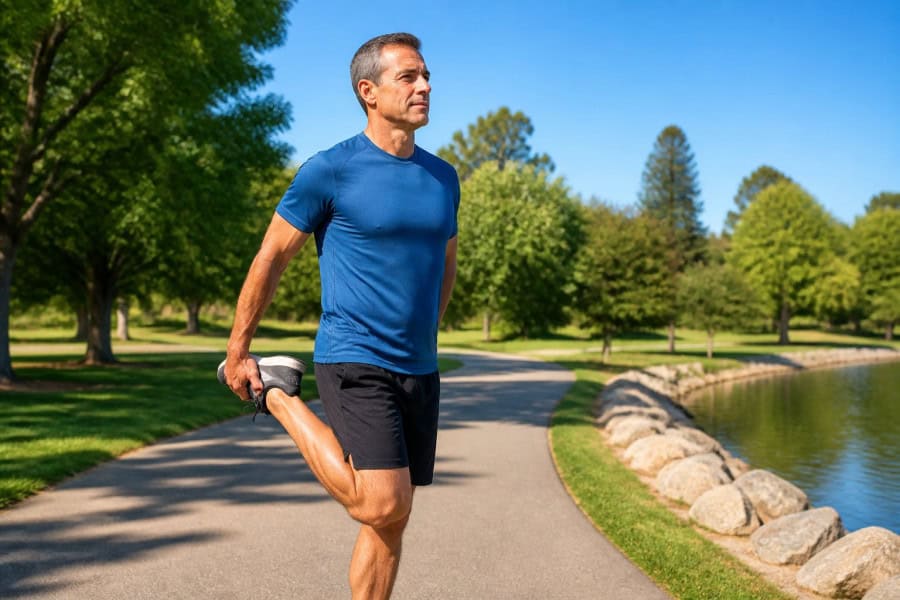
When a leg cramp hits, stop walking and stand or sit so you can control the limb. For a calf cramp (common during walks), keep your knee straight and pull the top of your foot back toward your shin. Hold the stretch for 20–30 seconds, relax, and repeat once or twice.
If the cramp is in the front thigh, pull your heel toward your buttock while steadying yourself with a hand on a wall or chair. Gently massage the tight area with firm, circular strokes for 30–60 seconds to help the muscle relax. Use slow, steady pressure – avoid hard pounding.
If you can’t reach the foot, try walking slowly on the spot once the spasm eases; weight-bearing helps calf cramps relax. Breathe evenly and resist tensing other muscles. Stop stretches if pain becomes sharp or joint pain appears.
Hot and Cold Applications
Apply heat when the muscle feels knotted but not inflamed. A warm towel or a brief warm shower increases blood flow and loosens tight fibres. Use heat for 5–10 minutes before gentle stretching if the muscle stays tight after the spasm.
Use cold if the area is painful after the cramp or if there’s visible swelling. An ice pack wrapped in a cloth for 10–15 minutes can reduce soreness. Alternate heat and cold only if it clearly helps you; some people prefer only heat after a cramp.
Carry a small, reusable heat patch or a gel ice pack on longer walks if you frequently get leg cramps while walking. Don’t apply ice or heat directly to bare skin and stop if you get numbness or skin irritation.
When to Rest and When to Seek Medical Help
Rest briefly after a cramp until walking feels comfortable. If you can resume at a slower pace without pain, continue but stop if the muscle tightens again. Hydrate and try a light snack with electrolytes if you suspect dehydration.
See a GP if cramps are severe, happen often during walking, or wake you from sleep despite these measures. Also seek help if cramps come with numbness, persistent weakness, swelling, skin colour change, or if pain won’t ease after 48 hours. These signs may point to circulation problems, nerve issues, or medication side effects that need medical review.
When to Consult a Healthcare Professional
If your cramps keep coming back, wake you at night, or cause strong pain or weakness, get medical advice. Tell your clinician when cramps started, how often they happen, and what makes them worse.
Persistent or Severe Cramps
Seek help if a cramp lasts more than a few minutes and does not ease with stretching, massage or heat. Repeated leg cramps that wake you at night or stop you from walking need assessment. Your doctor may check for muscle injury, nerve problems or electrolyte imbalances. They might ask about medicines you take, such as diuretics or statins, because these can cause frequent muscle cramps.
Expect a focused exam of your legs, strength and reflexes. Tests could include blood checks for sodium, potassium, calcium and kidney function. If symptoms are extreme, sudden or include swelling, numbness or colour change in the leg, go to urgent care.
Identifying Underlying Medical Issues
If cramps come with other symptoms – persistent numbness, muscle weakness, cold or pale feet, or poor healing of cuts – your doctor will look for circulation problems or nerve disease. Poor circulation from peripheral arterial disease can cause leg cramps when you walk and needs treatment to reduce risk of more serious problems.
Your clinician may order doppler ultrasound to assess blood flow or nerve conduction studies for neuropathy. They will review your medical history for diabetes, thyroid disease or kidney disease, as these increase the chance of muscle cramping. Treatment will target the cause – for example, improving blood flow, adjusting medicines, or treating metabolic imbalances – rather than only masking cramps.
Frequently Asked Questions
You can reduce cramps by adjusting hydration, electrolytes, footwear and warm-ups. Quick first-aid, practical drinks and specific foods also help, and some patterns need a GP check.
What are the most common causes of leg cramps during walking?
Most leg cramps while walking come from muscle fatigue in the calf, hamstring or foot muscles. Poor footwear, sudden increases in distance or speed, and walking on hard or uneven surfaces raise the risk.
Dehydration and low electrolytes – especially low potassium, magnesium or calcium – can trigger cramps. Certain medicines and medical conditions also raise the chance of spasms.
What can you do immediately to relieve a leg cramp while you are out walking?
Stop walking and stand or sit to avoid stressing the muscle further. Straighten your leg and dorsiflex your foot (pull toes toward your shin) to stretch the cramped calf.
Gently massage the muscle and apply steady pressure until the spasm eases. If you carry a small bottle of water, sip it while you rest.
Which drinks are most effective for reducing the risk of muscle cramps during exercise?
Plain water replaces simple fluid losses for most short walks. For long or hot walks, a drink that replaces electrolytes helps more than water alone.
Choose an oral rehydration drink or a low-sugar sports drink that contains sodium and potassium. If you prefer natural options, coconut water supplies potassium but less sodium than sports drinks.
What foods or nutrients help prevent leg cramps, and when should you eat them?
Eat potassium-rich foods like bananas, sweet potatoes and avocados within a few hours before long walks. Magnesium sources – such as nuts, seeds and whole grains – help if you have frequent cramps.
Include calcium from dairy or fortified plant milks as part of regular meals. Avoid large, heavy meals right before walking; aim for a light snack 30–90 minutes beforehand.
Which stretches or warm-up routines reduce the likelihood of calf cramps on walks?
Do a brisk 5–10 minute warm-up of easy walking to raise blood flow before you increase pace. Follow with 20–30 seconds of static calf stretches: stand facing a wall, place one foot back with heel down and lean forward.
Add dynamic moves like ankle circles and toe raises to prime smaller stabiliser muscles. Repeat stretches gently after walking if your calves feel tight.
When should recurrent leg cramps be checked by a GP, and what conditions might be involved?
See a GP if cramps are frequent, severe, wake you at night, or do not respond to simple measures. Also get checked if you have numbness, weakness, swelling or unexplained weight loss.
A GP may look for causes such as nerve compression, circulation problems, thyroid disease, diabetes, or medication side effects and arrange tests or referrals.
Recent Posts
7 Cool Historic Landmarks to Spot on Your UK Hikes: A Beginner’s Guide
Taking up hiking is one of the best ways to get outdoors, clear your head, and explore incredible scenery. But as you walk through the British countryside, you’ll notice that the landscape is full...
What Is a Lime Kiln? Discovering Britain’s Industrial Ruins on a Walk
When you’re out walking in the British countryside, you might come across a curious stone structure tucked into a hillside, standing beside an old quarry or hidden among the trees near a disused...