

Table of Contents
Some links on posts are affiliate links and will earn us a commission from qualifying purchases
Whether you are preparing for a weekend getaway or a month long distance hike, your body is essentially a high-performance vehicle. We often focus on the gear – the lightweight boots, the carbon fibre poles, and the waterproof shells – but the most important “equipment” you have is your own biology and feeding yourself with foods full of high-quality nutrition.
Recent health research emphasizes that food quality is not just about avoiding a “sugar crash” on the trail; it is about the long-term trajectory of your health. For hikers, this means choosing fuel that supports cardiometabolic resilience, sharp cognitive focus for navigation, and a robust immune system to handle the elements.
Cardiometabolic Health: Fueling the Engine
The physical demands of hiking are a double-edged sword. While the exercise is fantastic for your heart, relying on “junk miles” fuel – processed snacks high in saturated fats and refined sugars – can undermine those benefits.
Cardiometabolic health refers to how well your body manages blood sugar, cholesterol, and blood pressure. To keep your “engine” running cleanly over years of trekking, prioritize:
- Healthy Fats: Swap processed oils for monounsaturated fats like those found in almonds or olive oil packets. These support heart health and provide sustained, slow-burning energy.
- Whole Grains: Opt for oats or quinoa over white bread. These provide a steady glucose release, preventing the spikes and dips that strain your cardiovascular system.
Sharper Navigation: Nutrition for the Brain
Hiking isn’t just physical; it is a cognitive challenge. You need mental clarity to read maps, monitor weather changes, and maintain balance on technical terrain.
Diets rich in antioxidants and omega-3 fatty acids are proven to slow cognitive decline and improve immediate mental acuity. On the trail, this looks like:
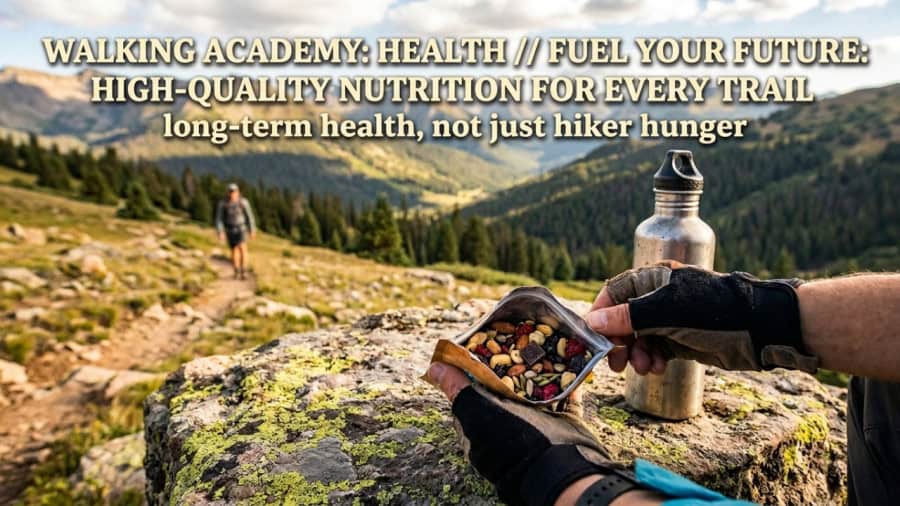
- Berries and Nuts: Dried blueberries and walnuts are “brain gold.” They contain flavonoids and omega-3s that support memory and focus.
- Dark Chocolate: A small amount of high-quality dark chocolate (70% cocoa or higher) provides a quick cognitive boost and a significant hit of protective antioxidants.
The Trail-Ready Immune System
The outdoors exposes you to fluctuating temperatures, high altitudes, and physical stress, all of which can temporarily suppress your immune system. If you aren’t eating enough high-quality nutrients, you become more susceptible to infections that could cut your trip short.
To build “immune resilience,” ensure your pack includes:
- Zinc and Vitamin C: Think pumpkin seeds (pepitas) and dried citrus or fortified energy bars.
- Probiotics: While fresh yogurt is hard to carry, shelf-stable options like fermented jerky or even a small container of sauerkraut for day hikes can support the gut-brain axis and overall immunity.
Strategic Food Choices for Hikers
| Food Category | Trail-Friendly Option | Health Benefit |
| Proteins | Tuna or Salmon pouches | Omega-3s for brain and heart health. |
| Complex Carbs | Rolled oats or Lentil soup | Sustained energy and blood sugar stability. |
| Healthy Fats | Walnuts and Almonds | Lowers LDL cholesterol and supports heart function. |
| Antioxidants | Dried Goji berries or Cranberries | Fights oxidative stress from heavy exertion. |
Frequently Asked Questions
Is “hiker hunger” an excuse to eat anything? While you certainly need the calories, your body uses those building blocks to repair muscle and manage inflammation. Consistently choosing nutrient-dense foods over “empty” calories leads to faster recovery and better long-term health.
What is the best way to get Vitamin C on a long trip? Fresh fruit is heavy, so look for freeze-dried berries or lightweight powdered drink mixes that use real fruit extracts rather than just synthetic flavoring and sugar.
How does diet affect my focus during a difficult climb? A diet high in refined sugars causes “brain fog” when your blood sugar inevitably drops. Complex carbohydrates and healthy fats provide the steady glucose supply your brain needs to stay sharp during technical sections.
Can I maintain a healthy diet on a budget? Absolutely. Buying bulk oats, lentils, and seeds is often cheaper than buying pre-packaged “performance” bars and meals. You can mix your own trail blends to ensure high food quality without the premium price tag.
Does hydration affect my immune system? Yes. Staying hydrated ensures your body can transport nutrients effectively and maintains the protective barriers in your respiratory system, which are your first line of defense against trail bugs.
Conclusion
Your health trajectory is a long-distance trail, not a sprint. By prioritizing food quality – choosing whole grains, healthy fats, and antioxidant-rich snacks – you aren’t just fueling your next mile; you are investing in a lifetime of adventure. Next time you prep your pack, remember that the best fuel is the kind that supports your body long after you’ve left the trailhead.
Discover how food quality impacts your long-term hiking health. Learn to fuel your heart, brain, and immune system for a lifetime of adventure on the trail.
Recent Posts
The Hiking Boot That Keeps Your Feet Dry, Comfortable & Steady - Even on Wet UK Walks If you’ve ever finished a walk with soaked socks, aching feet, or slipping on muddy paths, you’ll know...
Salomon X Ultra 4 Mid GTX vs Hoka Anacapa 2 Mid GTX: Which Should You Choose?
If you are gearing up for a season of bagging Wainwrights in the Lake District or tackling the rugged coastal paths of Cornwall, finding the right footwear is absolutely paramount. The UK hiking...