

Table of Contents
Some links on posts are affiliate links and will earn us a commission from qualifying purchases
You want a reliable rucksack from Amazon that fits your pack style and holds what you need for the trail. Below you’ll find five top-rated hiking rucksacks for 2026 that balance comfort, durability and value so you can pick the right pack quickly.
This short guide highlights what matters now – fit, ventilation, volume and weather protection – and shows which Amazon listings deliver those features without wasting your time. Expect clear pros and cons for each pack type, from daypacks to multi-day rucksacks, so you can match a bag to your trips and body.
Key Takeaways
- Choose a rucksack that matches the trip length and your body for best comfort.
- Look for breathable back panels, adjustable suspension and weather protection.
- Compare volume, weight and build quality to find the best value on Amazon.
Selection Criteria for 2026’s Best Hiking Rucksacks
You’ll want a rucksack that fits your body, carries the load you plan to take, and stands up to the terrain you’ll use it on. Focus on measurable features like volume, tested load capacity, weight, and access options to match your trips and gear.
Testing Methods and Expert Review Process
We test packs on real trails and in lab-style checks to measure weight, volume and comfort. Field tests include full-day walks, steep ascents with 10–20 kg loads, and multi-day treks carrying 15–20 kg to see how a pack behaves over hours and days. Lab checks record empty weight, claimed volume versus measured volume, and how much a pack will carry comfortably.
Experts inspect materials, stitch work and zips for durability. They time how fast you can reach hipbelt pockets or access a water bladder. You’ll get data like lab-tested weight, comfortable load capacity and notes on real-world usability so you can compare daypacks, backpacking rucksacks and multi-day backpacks directly.
Essential Factors: Fit, Comfort, and Durability
Fit is the top priority. Choose a pack with a hipbelt that carries most weight and a torso-length range that matches your spine. Try the pack with the load you’ll carry; a 20–25 L daypack feels very different when loaded versus empty.
Comfort comes from padding, suspension and ventilation. Look for an adjustable harness, load-lifter straps and a breathable backpanel. Check for hipbelt pockets, sternum straps and shoulder-strap pockets for quick access. Pack weight matters too: lighter packs help on long routes but may trade off durability.
Durability depends on fabric denier, reinforced bases, and quality zips and buckles. Heavier nylon and ripstop panels resist abrasion on rough trails. Seek tested claims about fabric and abrasion resistance rather than marketing terms alone to find the best backpack for repeated use.
Choosing by Trip Type: Day Hikes Versus Multi-Day Treks
Match pack volume to trip length. For single-day walks, choose 15–30 L daypacks with easy bottle access and lightweight frames. For overnight or multi-day trips, aim for 40–70 L backpacking backpacks that include a dedicated sleeping-bag compartment, compression straps and an aluminium or composite frame.
Think about organised access. Daypacks benefit from top or front pockets and external bottle holders. Multi-day rucksacks should offer hipbelt pockets, multiple compartments, and attachment points for poles or ice axes. Check the comfortable load capacity: a multi-day pack should carry 15–25 kg without causing hot spots.
Finally, consider pack weight versus durability and features. A lightweight multi-day pack reduces fatigue but may need extra care. If you want a best backpack for rough conditions, prioritise robust fabrics and tested load limits for reliable performance.
Detailed Reviews: Five Top-Rated Rucksacks on Amazon UK
These five rucksacks offer distinct strengths: a heavy-duty multi-day pack for long trips, a budget-friendly high-capacity option, a lightweight daypack, a value-packed dual-access bag, and a fully waterproof model. Each review focuses on fit, capacity, features and real-world use so you can match a pack to your walk.
Osprey Rook 65: Best Overall Multi-Day Backpack
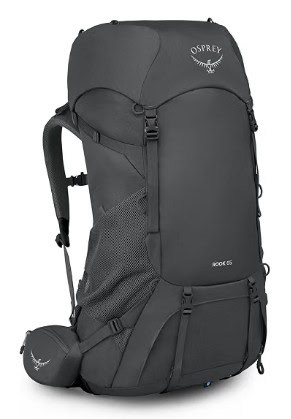
The Osprey Rook 65 suits multi-day backpacking when you need volume, support and durability. You get 65 litres of organised space, an adjustable harness to fit a range of torsos, and a well-padded hipbelt that shifts weight to your hips for long miles.
Key features include an internal frame, large top lid pocket, stretch side pockets for water bottles, and multiple compression straps to stabilise loads. The back panel vents well and the hipbelt pockets keep small items handy.
You can attach a sleeping mat and trekking poles via lash points and daisy chains. Weight is reasonable for its class, and build quality matches Osprey’s reputation, making it a solid choice if you plan multi-day or heavy-load trips.
Buy the Osprey Rook 65 on Amazon
Night Cat 70l Hiking Backpack: Top Value with Dual Access
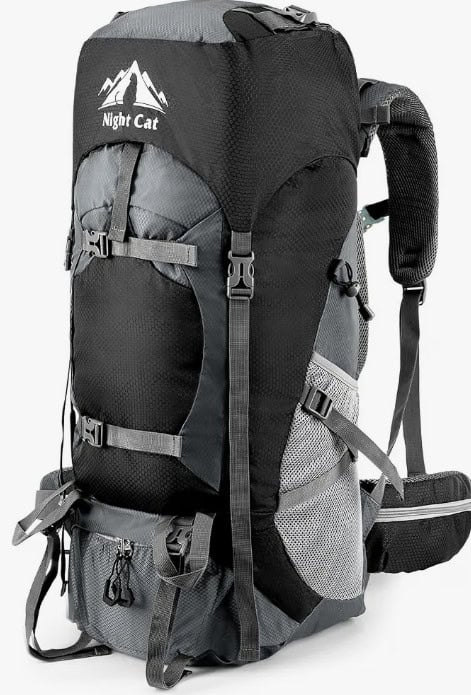
The Night Cat backpack aims to give you useful features for a low price. It commonly appears as a top value backpack on Amazon and offers dual access: top-loading plus a zippered front panel so you can reach gear without unpacking.
Expect a 40-60 litre range in similar models, padded shoulder straps, a basic hipbelt and external straps for a sleeping bag or mat. The pack includes hydration-bladder compatibility and several pockets for organisation.
For budget-conscious hikers this is a good daysack-to-short-trip option. Materials are lighter than premium rucksacks, so it’s best if you keep loads moderate and use a raincover in wet weather.
Buy the Night Cat backpack on Amazon
Mountain Warehouse Pace 20L: Best Lightweight Daypack
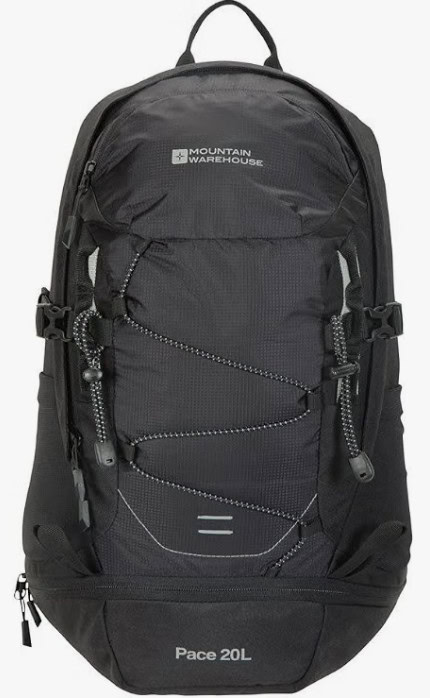
The Mountain Warehouse Pace 20L fits fast day walks and commuting with a slim, low-weight design. At about 20 litres it holds water, layers, snacks and essentials without bulk. The harness is simple but comfortable for shorter outings.
Features include a main compartment with internal organiser, front zipped pocket, and side water bottle pockets. It often has a light-weight back panel and modest padding, prioritising low carry weight over heavy-load comfort.
Choose this daypack if you want a reliable, low-cost daysack for UK trails, school or short urban trips. It won’t replace a true backpacking backpack for multi-day loads.
Buy the Mountain Warehouse Pace 20l on Amazon
Amazon Basics Hiking Backpack: High-Capacity Budget Choice
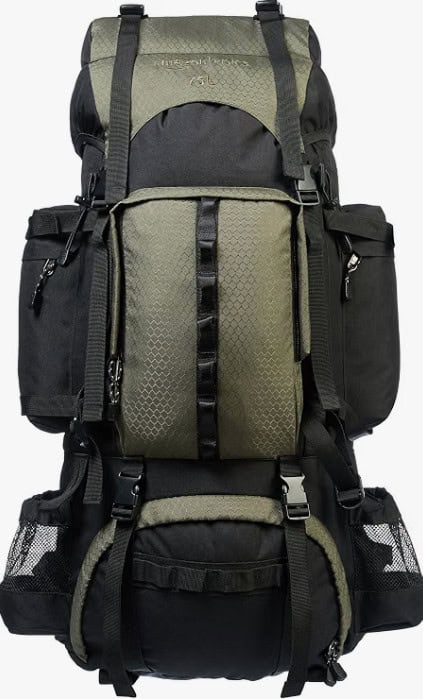
Amazon Basics offers a high-capacity rucksack at a budget price, aimed at hikers who need volume rather than cutting-edge fit. These packs commonly run 40–55 litres, with multiple compartments, side pockets and external straps for gear attachment.
Expect padded shoulder straps and a simple hipbelt that give some load support. The pack usually includes a raincover pocket and hydration compatibility, which adds practical value. Materials are durable for casual use but lighter than technical rucksacks.
This model suits you if you need space for longer day trips or short overnights and want a low price. For heavy multi-day loads, consider upgrading to a pack with a more developed suspension system.
Buy the Amazon Basics rucksack
geckobrands Unisex Waterproof 30l : Best Waterproof Backpack
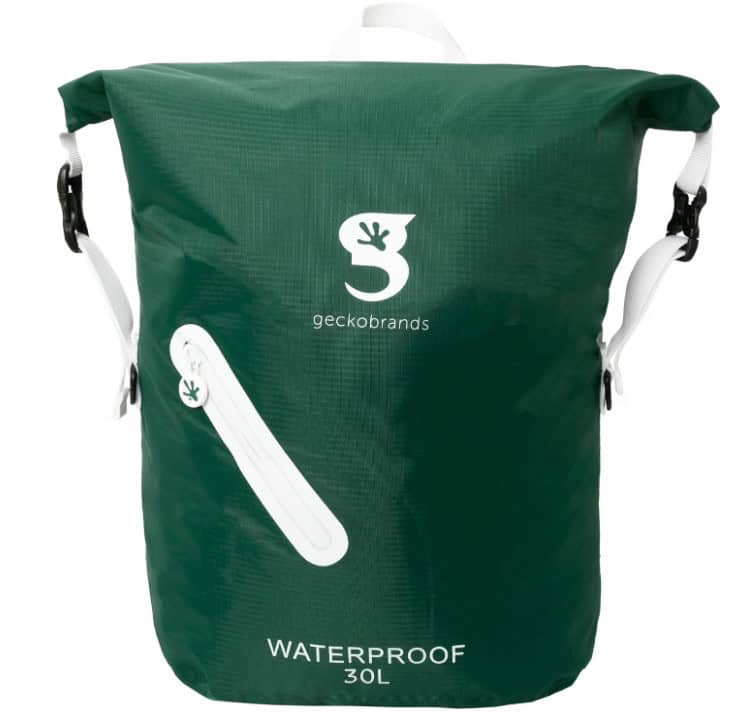
The geckobrands Unisex Waterproof 30l Backpack provides true waterproof protection for kit you must keep dry. It uses a roll-top closure and welded seams to stop water ingress, so your electronics, clothing and camera gear stay safe in heavy rain.
At 30 litres it serves as a compact daypack for coastal walks, wet-weather commuting or photography outings. The harness balances comfort and ventilation, and exterior lash points let you carry small extra items.
If you walk often in persistent UK rain or need guaranteed dryness, this waterproof rucksack is worth the premium. It trades off some internal organisation compared with top-loading trek packs, but outperforms most in wet conditions.
Buy geckobrands Unisex Waterproof 30l Backpack on Amazon
Key Features to Look for in a Modern Hiking Rucksack
Choose a rucksack that moves weight onto your hips, keeps your back cool, fits your torso, and protects kit from weather. Look for secure pockets and simple attachment points so you can reach essentials and strap on tools.
Suspension Systems and Adjustable Torso Length
A good suspension system shifts load to the hipbelt so your legs carry the weight, not your shoulders. Look for an internal frame or framed sheet plus a padded hipbelt with a clear hipbelt pocket. Load lifters and a firm hipbelt with a wide contact area help you tune weight distribution.
Adjustable torso or adjustable back panel matters when multiple people use the same pack or you change layers. Many packs offer a sliding harness or interchangeable back lengths; choose one that clicks securely and is easy to reset on the trail.
Breathable, suspended mesh back panels and ventilated back systems reduce sweat buildup. A mesh that holds the pack away from your skin improves airflow, especially on hot days. Padded shoulder straps with a sternum strap and easy-to-reach chest and hip straps increase comfort and control.
Pockets, Compartments, and Organisational Design
Organisation stops you digging for essentials. Prefer a top lid pocket and a top-lid compartment for maps, sunglasses and your phone. Hip belt pockets and padded hipbelt pockets are crucial for snacks and a phone you can grab without stopping.
Look for a front shove-it pocket and stretch mesh side pockets for a wet jacket or water bottles. Internal compartments or a sleeping-bag divider help separate damp kit. Hydration compatible designs with a dedicated sleeve and hose port make refilling simple; check the sleeve size if you plan to use a 2–3 litre hydration bladder.
Compression straps compress load and keep contents stable. Internal or external zippered pockets, key clips and attachment loops inside the main compartment add useful organisation. Choose pockets with weather protection where you store electronics.
Weatherproofing: Rain Covers, Waterproofing, and Taped Seams
Your pack should protect kit from rain without forcing you to use makeshift covers. Many rucksacks include a built-in rain cover (raincover) stored in a base pocket; confirm the cover size matches your pack volume.
Waterproof backpacks and bags use coated fabrics plus taped seams to stop water ingress. Fully waterproof packs are rare and often heavier, so consider carrying a lightweight drybag for sleeping bags and clothing if you want internal waterproofing without extra weight.
Look for water-resistant zips, sealed pocket designs and a lid that overlaps the top-loader mouth. If the pack isn’t fully waterproof, use internal drybags for electronics and clothing. Check seams and fabric denier ratings to judge how well a pack will stand up to prolonged wet conditions.
Versatile Attachment Points for Poles and Gear
Attachment points let you carry poles, tools and extras without crowding the main compartment. Ensure a rucksack has walking pole attachments or trekking pole loops and secure trekking pole attachment systems that allow quick stow-and-go.
Ice axe loops and lash points give you secure places for technical tools. Compression straps double as lash straps for bulky items like sleeping mats. Reinforced daisy chains and gear loops give you options for carabiners and kit.
Look for durable buckles and tidy stows so attachments don’t rub or tangle. If you use trekking poles often, test how easy it is to secure and retrieve them while walking.
Comparing Backpack Types: Daypacks, Multi-Day, and Ultralight Options
Pick a pack that matches the trip length and the weight you plan to carry. Fit, suspension, and volume matter most: choose a pack that sits on your hips, balances weight, and gives enough organised space for your kit.
Daypacks for Short Hikes
Daypacks suit single-day walks and short scrambles. Look for 15–30 litres of capacity, a padded hip belt for heavier loads, and external pockets for water and snacks. You want a light, well-ventilated back panel so sweat doesn’t build on steep climbs.
Key features to check:
- Capacity: 15–30 L for essentials and a spare layer.
- Access: top opening or front panel for quick reach.
- Hydration: sleeve and hose port if you use a bladder.
- Extras: rain cover, hip-belt pockets, trekking-pole attachments.
If you carry camera gear or a thermos, pick a daypack with organised pockets and a padded laptop sleeve, which doubles as an insert for fragile items.
Multi-Day and Expedition-Ready Backpacks
Multi-day backpacks cover weekend trips to long treks. Choose 50–75 litres for 2–7+ day hikes, with a strong frame to transfer weight to your hips. Suspension adjustability matters: get a torso-adjustable harness and a firm hip belt for comfort on long miles.
Look for these features:
- Volume: 50–75 L depending on trip length and season.
- Load-carrying: internal/external frame or well-designed sheet frame.
- Access: full-length front or U-zip for easy packing and unpacking.
- Durability: heavier, abrasion-resistant fabrics for rocky trails.
- Organisation: sleeping bag compartment, lid pockets, side pockets, hip-belt pockets.
If you plan cold-weather trips or carry heavier gear, prioritise packs with robust frames and adjustable lids to keep loads stable and balanced.
Ultralight Backpacks for Speed and Minimalism
Ultralight backpacks aim to shave grams while keeping essential function. Expect 30–55 litres and minimal padding. You must match the pack to a low base weight: if your sleep kit or shelter is heavy, an ultralight backpack won’t save you much overall.
What to expect and check:
- Weight: often under 1 kg (2 lb) for dedicated ultralight models.
- Materials: Dyneema or light ripstop for strength-to-weight benefits.
- Suspension: simple or minimal frames; hip-belt support varies.
- Pockets: pared back to essential external pockets for quick access.
You sacrifice some comfort and padding. So test fit with your typical load. If you aim for faster days and lighter gear, an ultralight backpacking rucksack can make a big difference in speed and fatigue.
Sustainability, Fit, and Ethical Buying Considerations
You should weigh materials, fit and seller policies when choosing a rucksack. Look for certified fabrics, gender-specific models and trustworthy UK retailers to match your needs for long walks like the West Highland Way or trips in the Lake District.
Eco-Friendly Materials and Bluesign Approved Packs
Check product pages for bluesign approved materials and PFAS-free DWR coatings. Bluesign approval shows the fabric supply chain met strict limits on harmful chemicals and resource use. PFAS-free DWR reduces persistent pollutants that can wash into watercourses near the Lake District.
Recycled nylon and GRS-certified fabrics are good signs, but pay attention to construction too. Reinforced panels and welded seams extend pack life and cut replacement waste. Examples on Amazon often note recycled fabric percentages; compare those figures.
If a brand offers repairs or a lifetime guarantee, that matters as much as the label. Osprey’s repair policy on models like the Atmos AG 65 keeps packs in use for years. Choose a pack with removable accessories to simplify future repairs and recycling.
Women’s and Gender-Specific Fit Options
Your torso length and hip-belt shape control comfort more than the pack’s litre rating. Women’s models change shoulder strap taper, chest strap placement and hip-belt curvature to suit typical female anatomy. Try on a pack with similar load in store or use a retailer’s fit guide before buying on Amazon.
Look for adjustable harness systems and a range of sizes. Many rucksacks list small/medium/large torso ranges on the product page. If you plan multi-day hikes on routes such as the West Highland Way, a properly fitted hip belt will transfer weight and prevent shoulder pain.
Test fit with a weighted day load at home if you can. If buying from Amazon, check return and exchange terms so you can swap sizes easily. Reviews often mention whether the women’s version fits shorter torsos better than the unisex alternative.
UK Retailers and Buying Advice
Buy from reputable UK sellers like Cotswold Outdoor, Go Outdoors or verified Amazon Marketplace stores to simplify returns and support. These retailers often stock models to try in-store or offer local advice for Lake District and West Highland Way trips.
Compare prices but include delivery time and returns policy in your decision. Seasonal sales can lower cost, but ensure seller handles warranty claims. Look for explicit mentions of uk-based customer service and repair centres – this helps if you need strap replacement or foam repairs.
When choosing between similar packs, check local stock for fit testing, or buy from Amazon with free returns. Keep proof of purchase and note the manufacturer’s repair promise; that will protect you on long-distance hikes and in wet UK conditions.
Tips for Packing and Maintaining Your Rucksack
Keep the pack weight low, centre heavy items near your back, use compression straps and pockets well, and protect fabric and zips from water and abrasion.
Efficient Packing for Comfort and Balance
Place the heaviest items – stove, food, fuel – close to your spine and about halfway between your shoulders and hips. This keeps the centre of gravity stable and reduces strain on the padded straps and hip belt.
Use the sleeping bag compartment for your sleeping bag or a lightweight down jacket; keep bulkier, less-used items at the bottom.
Use compression straps to pull the load tight so it does not shift. Stow frequently used items (map, snacks, rain jacket) in external pockets or top lid for quick access.
Keep water bottle pockets free of hard objects; carry full bottles low and near the hips for better balance.
If your pack has an internal frame, align loads so the frame supports the weight directly into the hip belt. Adjust shoulder straps and load lifters so the pack sits close to your back and the hip belt carries most of the weight. Check and rebalance pack weight during long hikes.
Maintaining Waterproof Performance and Longevity
Treat the outer fabric and seams before long trips. Apply a suitable DWR (durable water repellent) spray or wash-in treatment to keep rainwater beading off. Re-seal stitched seams with seam sealer if you find leaks near stitching.
Use a waterproof liner or dry bags inside the main compartment and the sleeping bag compartment to protect insulating gear and electronics.
Clean zips, buckles and padded straps after muddy trips. Brush out grit, rinse with fresh water and let everything dry fully away from direct heat. Lubricate zips with a silicone-based zipper lubricant if they stick.
Store the rucksack empty and dry, unbuckle compression straps to avoid creasing, and avoid long-term compression of padded straps or hip belt to preserve their shape. Replace worn straps or buckles promptly to keep the pack safe on the trail.
Frequently Asked Questions
These answers focus on comfort, capacity, key features, women’s fit, value buys on Amazon UK, and whether the Granite Gear Blaze 60 suits your trekking needs. Each reply gives clear, practical points to help you choose the right rucksack.
Which hiking rucksacks offer the best comfort and back support for long-distance walking?
Look for rucksacks with a well-padded, shaped hip belt and a firm internal frame. Models with suspended mesh or trampoline-style back panels, such as Osprey’s suspended designs, give good ventilation and reduce pressure on your spine.
Adjustable torso length and a wide, well-contoured hip belt move load to your hips, which matters more than shoulder padding for long distances. Try the pack fully loaded for at least 10–15 minutes before buying to check fit and pressure points.
What rucksack capacity is best for day hikes versus multi-day backpacking trips?
For day hikes, choose 15–30 litres. That size fits water, a layer, snacks and basic first aid without extra bulk.
For overnight or multi-day trips, choose 40–75+ litres depending on trip length and gear. Weekend trips often need 40–55 litres. Longer trips with heavier sleeping systems or food require 60–75+ litres.
Which features should I prioritise in a hiking rucksack for 2026, such as ventilation, adjustability and waterproofing?
Prioritise a supportive suspension (frame and hip belt) and good ventilation, like mesh back panels, to reduce sweat and back fatigue. Adjustable torso length and hip-belt fit let you fine-tune load transfer for comfort.
Look for weather-resistant fabrics and a decent rain cover or roll-top design for waterproofing. External pockets and easy-access zippers help with on-trail organisation. Balance weight and durability for the type of trips you do.
Are there good hiking rucksacks designed specifically for women, and how do they differ in fit?
Yes. Women-specific rucksacks use shorter torso lengths, narrower shoulder straps and hip belts shaped for a female pelvis. These changes improve comfort and reduce chafing for many women.
You should try both unisex and women-specific models because body shapes vary. Adjustability matters; many unisex packs have wide adjustment ranges that can work well for women too.
Recent Posts
7 Cool Historic Landmarks to Spot on Your UK Hikes: A Beginner’s Guide
Taking up hiking is one of the best ways to get outdoors, clear your head, and explore incredible scenery. But as you walk through the British countryside, you’ll notice that the landscape is full...
What Is a Lime Kiln? Discovering Britain’s Industrial Ruins on a Walk
When you’re out walking in the British countryside, you might come across a curious stone structure tucked into a hillside, standing beside an old quarry or hidden among the trees near a disused...